Verification Standards Transforming Bonus Tier Access Within Blockchain Slot Frameworks and Variable Reels
Iris Albrecht · Aug 12, 2026
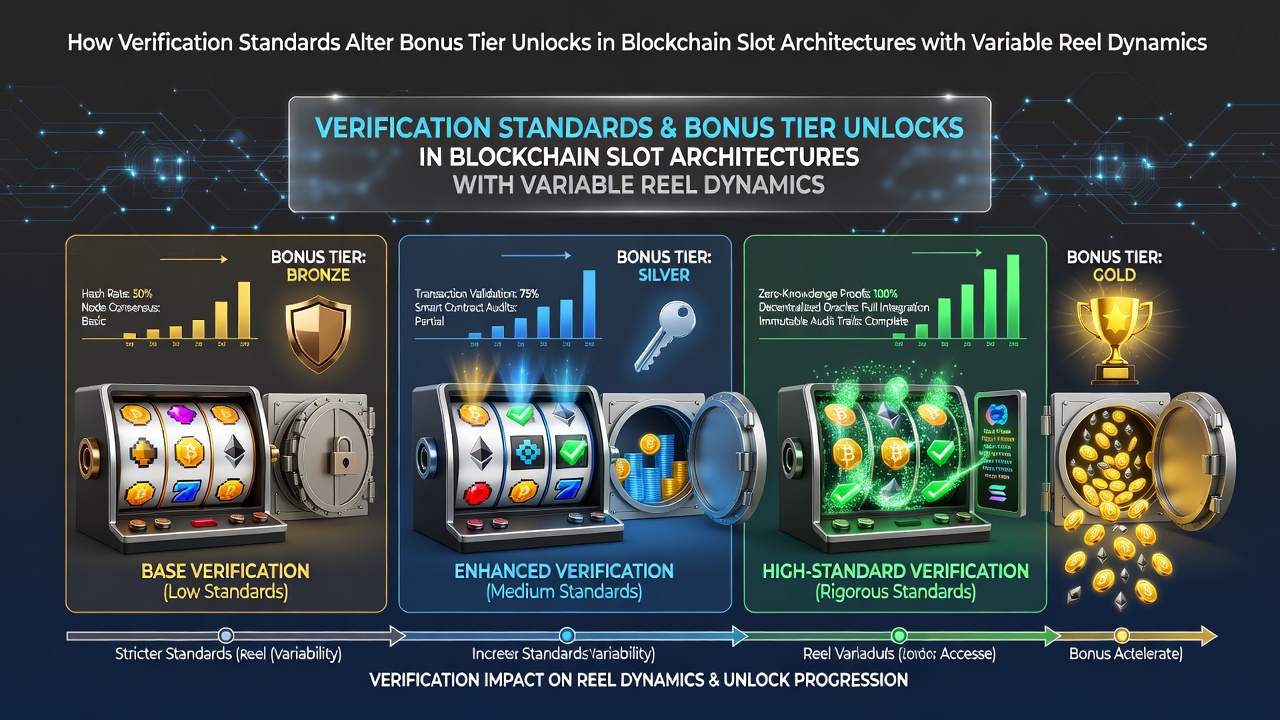
Verification Standards Transforming Bonus Tier Access Within Blockchain Slot Frameworks and Variable Reels
Blockchain slot architectures integrate distributed ledgers to manage game mechanics, and verification standards directly influence how bonus tiers become available to participants, especially when variable reel dynamics adjust symbol counts and payout multipliers in real time, while regulatory requirements in multiple jurisdictions shape the timing and scope of these unlocks during August 2026.
Core Components of Blockchain Slot Systems
Smart contracts handle reel generation and bonus calculations on platforms that support variable reel mechanics, where the number of active symbols shifts according to player activity and network consensus, and verification protocols confirm wallet ownership plus identity data before higher bonus tiers activate. These protocols often combine cryptographic proofs with off-chain checks that reference government databases or third-party services, which delays or accelerates progression through deposit-based and play-volume incentives depending on completion speed.
Verification Layers and Their Sequencing
Basic wallet authentication occurs at entry, yet full bonus tier progression requires additional steps such as document uploads and address confirmation, which researchers at academic institutions have mapped to specific smart contract triggers that release automated rewards only after successful validation. Data from industry reports indicate that platforms operating under stricter verification sequences experience slower initial tier advancement compared to those with streamlined processes, although variable reel features remain accessible at lower levels for unverified accounts in select architectures.
One notable implementation involves multi-signature requirements where both the player and the platform operator must approve bonus releases through blockchain transactions, and this setup ties directly to reel variability by gating advanced symbol sets behind completed checks. Observers note that such structures reduce disputes over automated payouts while maintaining transparency across the ledger.
Effects on Tiered Incentives and Reel Adjustments
Bonus tiers typically unlock enhanced multipliers or additional reel positions once players meet deposit thresholds and verification milestones, and studies show that incomplete identity checks can freeze progression even when wagering volumes exceed stated requirements. In architectures with cascading or expanding reels, the variable dynamics respond to verified status by altering hit frequencies or introducing new bonus rounds that stay unavailable until standards are met.
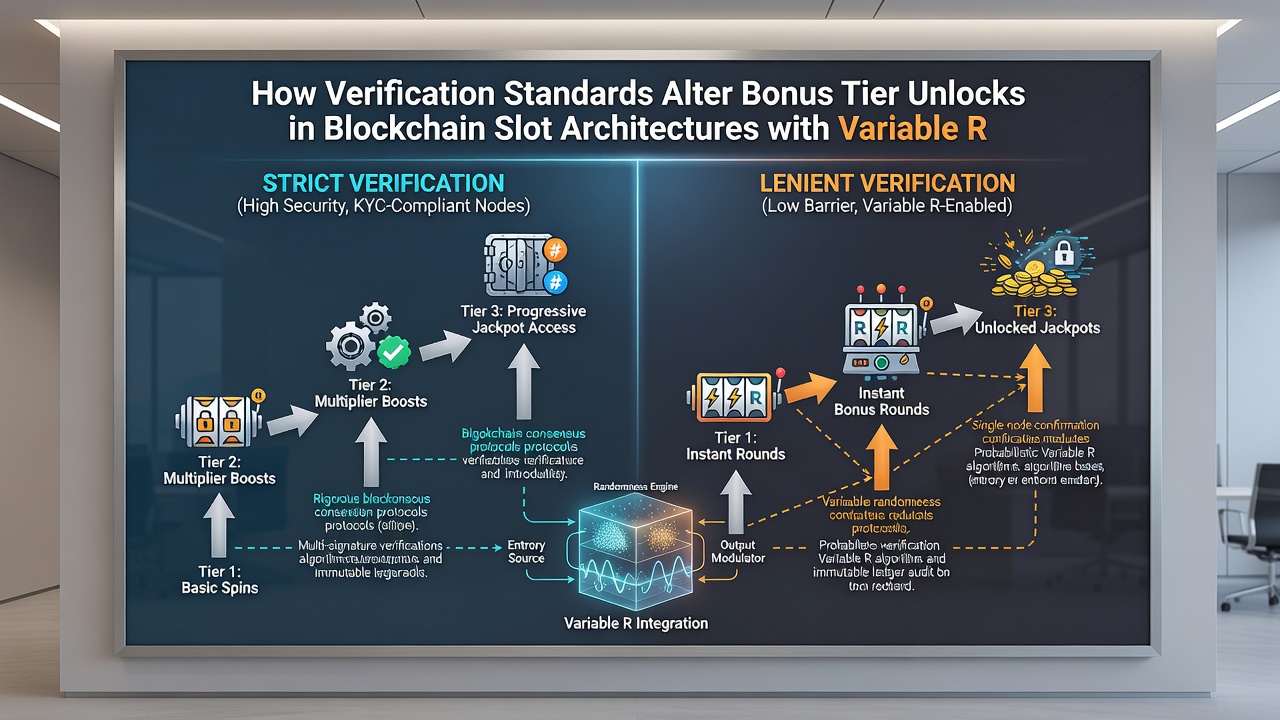
Figures from recent analyses reveal that platforms incorporating real-time verification APIs see faster tier unlocks during peak periods, and this acceleration correlates with increased engagement on variable reel modes that adapt payout tables based on player level. Those who have examined transaction logs across multiple networks report that verification completion often coincides with sudden shifts in reel behavior, such as expanded wild placements or chained bonus sequences.
Regulatory Mapping Across Regions
Authorities in different areas impose distinct verification mandates that ripple through blockchain implementations, and a report issued by the Nevada Gaming Control Board outlines how identity confirmation timelines affect incentive structures in licensed digital environments. Meanwhile, research conducted through institutions in Canada highlights correlations between standardized KYC procedures and the stability of automated bonus releases in ledger-based gaming systems.
European frameworks tracked by the European Gaming and Betting Association further demonstrate that verification delays can extend the period before variable reel enhancements become active, yet they also provide clearer audit trails for operators managing cross-border participation.
Take one platform that adjusted its contract logic in early 2026 to align with updated regional rules, and experts observed that bonus tier thresholds shifted upward for accounts lacking full verification, which in turn limited access to the most dynamic reel configurations until compliance was achieved. Such adjustments maintain system integrity while reflecting the regulatory landscape at the time.
Practical Outcomes in August 2026 Operations
Current deployments show that integrated verification reduces instances of bonus exploitation through automated smart contract gates, and network data indicate measurable differences in tier progression rates between verified and partially verified users on variable reel titles. Platforms continue to refine these interactions by embedding compliance checks at key decision points within the game loop, ensuring that reel variability responds appropriately to each verified status level.
What's interesting is how these standards create feedback loops where successful verification not only unlocks bonuses but also modifies the underlying reel algorithms to favor certain outcome distributions, according to transaction analyses shared in technical forums. Researchers have documented cases where delayed verification led to extended play at base reel settings, whereas rapid clearance enabled immediate access to expanded mechanics and associated rewards.
Conclusion
Verification standards continue to serve as gatekeepers that reshape bonus tier availability and influence the behavior of variable reel systems in blockchain slot architectures, and ongoing developments in August 2026 underscore the interplay between compliance requirements and automated game features. Those monitoring the sector note that further alignment between regulatory expectations and contract design will likely sustain these effects across evolving platforms.