Tracing Intersections Between Loyalty Tier Unlocks and Digital Asset Confirmations in Portable Multi-Hand Blackjack Setups Across Jurisdictions
Yara Otto · Jul 29, 2026

Tracing Intersections Between Loyalty Tier Unlocks and Digital Asset Confirmations in Portable Multi-Hand Blackjack Setups Across Jurisdictions
Portable multi-hand blackjack applications continue to integrate loyalty tier systems with digital asset verification processes, and this convergence creates distinct operational patterns that vary by regulatory environment. Operators track player activity across multiple simultaneous hands while confirming cryptocurrency deposits or withdrawals through distributed ledger timestamps, and these confirmations often serve as triggers for advancing through loyalty levels that unlock additional features such as increased betting limits or accelerated reward redemptions.
Loyalty Structures in Multi-Hand Mobile Environments
Multi-hand formats allow participants to manage several active blackjack positions within a single session on portable devices, and loyalty programs assign points based on total hands completed rather than single rounds. Data shows that tier progression typically requires cumulative hand counts combined with wager volumes, while digital asset deposits receive confirmation blocks before points post to player accounts. In July 2026 several platforms adjusted their confirmation thresholds to align with updated network latency standards across major blockchain protocols, which shortened the interval between deposit verification and loyalty credit allocation.
Observers note that higher tiers frequently grant access to exclusive multi-hand table variants or reduced house edge options, and these unlocks depend on verified transaction histories that demonstrate consistent engagement. Research from industry reports indicates that portable setups generate higher session frequencies than stationary terminals, which accelerates tier advancement when digital asset flows remain uninterrupted by network delays.
Digital Asset Confirmation Mechanics
Blockchain confirmations function as the gatekeeper between deposit arrival and loyalty system activation in these applications. Each verified transaction carries metadata that platforms map to player profiles, and once the required number of blocks confirms teh asset transfer, the system releases corresponding loyalty points. This process operates across multiple jurisdictions where cryptocurrency acceptance remains permitted under specific licensing conditions.
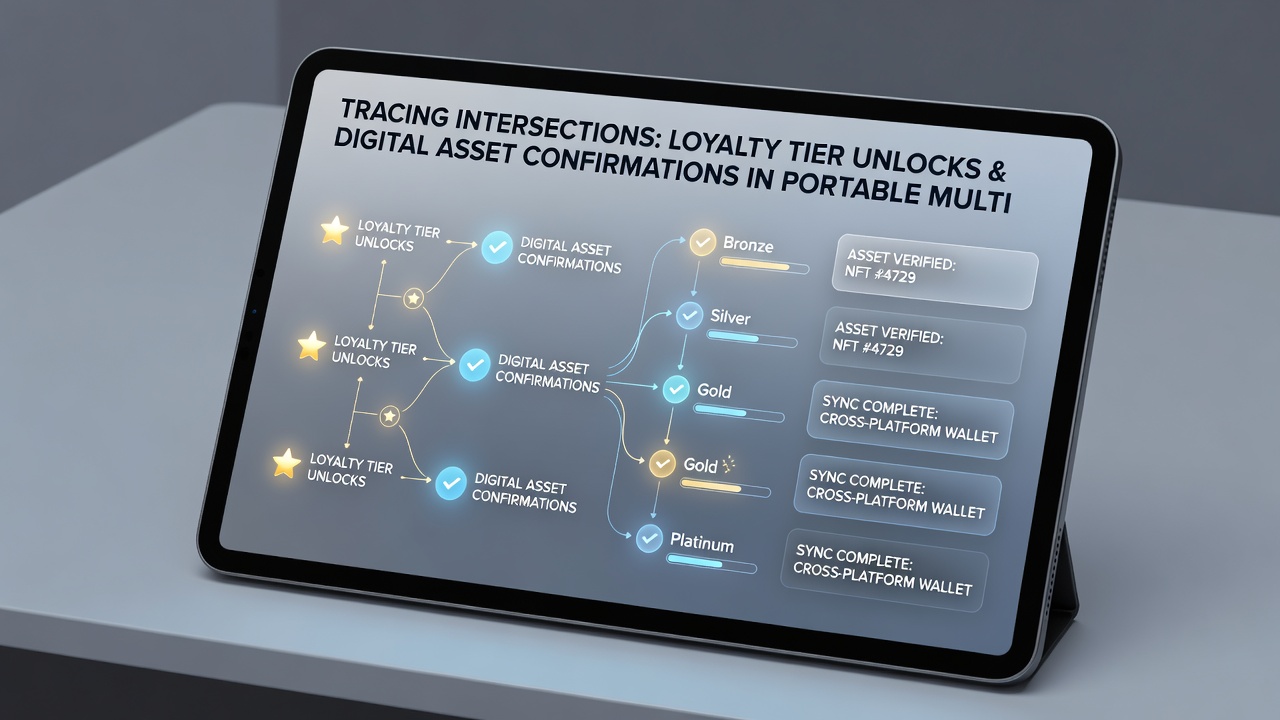
Studies reveal that confirmation times vary by asset type, with some networks achieving finality in under ten minutes while others require additional blocks for regulatory compliance. Platforms therefore maintain separate queues for different digital assets to ensure loyalty unlocks occur without manual intervention. Those who monitor these systems report that synchronized confirmation and tier advancement reduces player drop-off during mobile sessions.
Jurisdictional Variations and Regulatory Mapping
Regulatory frameworks in different regions impose distinct requirements on how loyalty data and digital asset records intersect. In Nevada, licensed operators must log every confirmed transaction alongside loyalty point awards for audit purposes, whereas certain European markets require separate reporting streams that distinguish between fiat and cryptocurrency activity. Australian state regulators have implemented data retention rules that extend to portable multi-hand logs, and these rules affect how quickly platforms can release tier-based features after asset confirmations complete.
According to figures from the American Gaming Association, mobile multi-hand blackjack volumes grew steadily through early 2026 in jurisdictions that permit digital asset integration. Meanwhile the Malta Gaming Authority publishes periodic compliance summaries that track the linkage between verified blockchain activity and automated loyalty releases in networked gaming environments. These summaries highlight differences in minimum confirmation thresholds that operators must meet before advancing players to higher tiers.
Canadian provincial frameworks add another layer through requirements that digital asset wallets undergo third-party verification before loyalty systems recognize associated play. This verification step occurs after initial blockchain confirmation yet before tier benefits activate, which creates a two-stage gate that portable applications must navigate. Operators adjust their backend processes accordingly to maintain compliance across borders while preserving seamless multi-hand gameplay on mobile devices.
Technical Integration Points
Application programming interfaces connect loyalty databases directly to blockchain node listeners, and these listeners flag confirmed transactions for immediate point allocation. Multi-hand tracking modules record each position played during a session, then aggregate totals once digital asset confirmations clear. When networks experience congestion, platforms buffer loyalty credits until finality occurs, which prevents premature tier unlocks that could violate jurisdictional audit trails.
Engineers design fallback protocols that switch between primary and secondary blockchain endpoints during outages, and these protocols preserve the sequence of loyalty tier advancements. Data indicates that such redundancy measures have become standard in cross-border deployments where portable multi-hand blackjack operates under multiple regulatory regimes simultaneously.
Conclusion
The intersections between loyalty tier unlocks and digital asset confirmations continue to shape portable multi-hand blackjack operations across jurisdictions. Regulatory bodies maintain oversight through transaction logging requirements, while technical systems synchronize confirmation events with point awards to support consistent player progression. As networks and licensing conditions evolve, the mapping between verified assets and tier benefits remains central to platform functionality in this segment of mobile gaming.