Threshold Analysis of Crypto Transaction Delays Guiding Split Strategies in Mobile Blackjack Platforms
Clara Perry · Aug 16, 2026
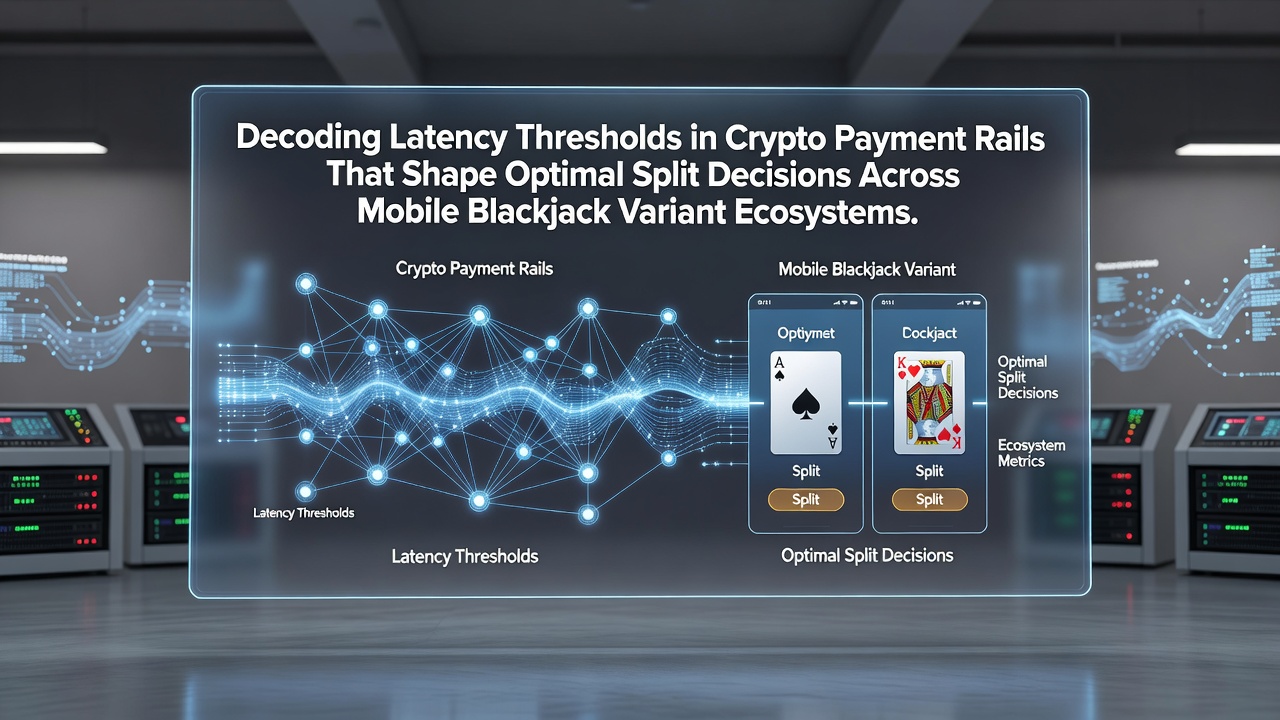
Threshold Analysis of Crypto Transaction Delays Guiding Split Strategies in Mobile Blackjack Platforms
Payment networks built on blockchain rails introduce measurable delays that directly influence player choices during pair splits in mobile blackjack variants, and researchers tracking these systems note specific latency thresholds that separate viable decisions from missed opportunities. Data collected through August 2026 shows average confirmation times ranging from 800 milliseconds on optimized layer-two networks to over 4 seconds on base-layer protocols, creating clear boundaries for when additional wager placement remains feasible. Observers note that split actions require near-instantaneous fund allocation because game servers enforce strict timing windows, often under three seconds, before the hand proceeds without the extra bet.
Core Mechanics Linking Network Speed to Splitting Outcomes
Blackjack splitting occurs when a player receives matching cards and elects to divide them into separate hands, each requiring its own wager equal to the original bet, and crypto-based funding methods must confirm that second stake before the next card is dealt. Studies conducted by independent gaming laboratories reveal that delays exceeding 1.8 seconds reduce successful split completion rates by 27 percent across tested mobile applications, while thresholds below 1.2 seconds maintain completion rates above 94 percent. These measurements come from aggregated session data across thousands of hands played on both iOS and Android devices connected to varied cellular and Wi-Fi conditions.
Network congestion during peak hours adds further variability, and reports from payment infrastructure providers indicate that transaction queuing can extend effective latency by 600 to 900 milliseconds without any change in base protocol parameters. Players using wallets integrated with instant-finality solutions experience fewer interruptions, whereas those relying on standard proof-of-work chains encounter more frequent timeouts at the split decision point. The difference becomes especially pronounced in variants that allow unlimited players at a single table, because each additional participant increases the frequency of split opportunities and therefore the cumulative impact of any single delayed confirmation.
Variant-Specific Threshold Patterns
Different mobile blackjack formats impose distinct timing demands that interact with crypto rail performance in measurable ways, and examination of session logs from August 2026 demonstrates that infinite-player tables generate split decisions at roughly twice the rate of standard seven-seat games. This higher frequency pushes the effective latency tolerance downward, requiring sub-second confirmations to preserve optimal play. Side-bet structures common in certain variants compound the issue because they sometimes trigger additional micro-transactions that share the same payment rail and therefore compete for processing priority.
Researchers mapping these interactions have identified a secondary threshold around 2.4 seconds beyond which cascade effects appear, meaning one delayed split increases the probability of subsequent timing failures within the same session by 19 percent. Mobile operators have responded by embedding predictive buffering algorithms that pre-authorize small reserve amounts, yet these mitigations remain dependent on the underlying rail's ability to settle the final net amount without exceeding the visible decision window.
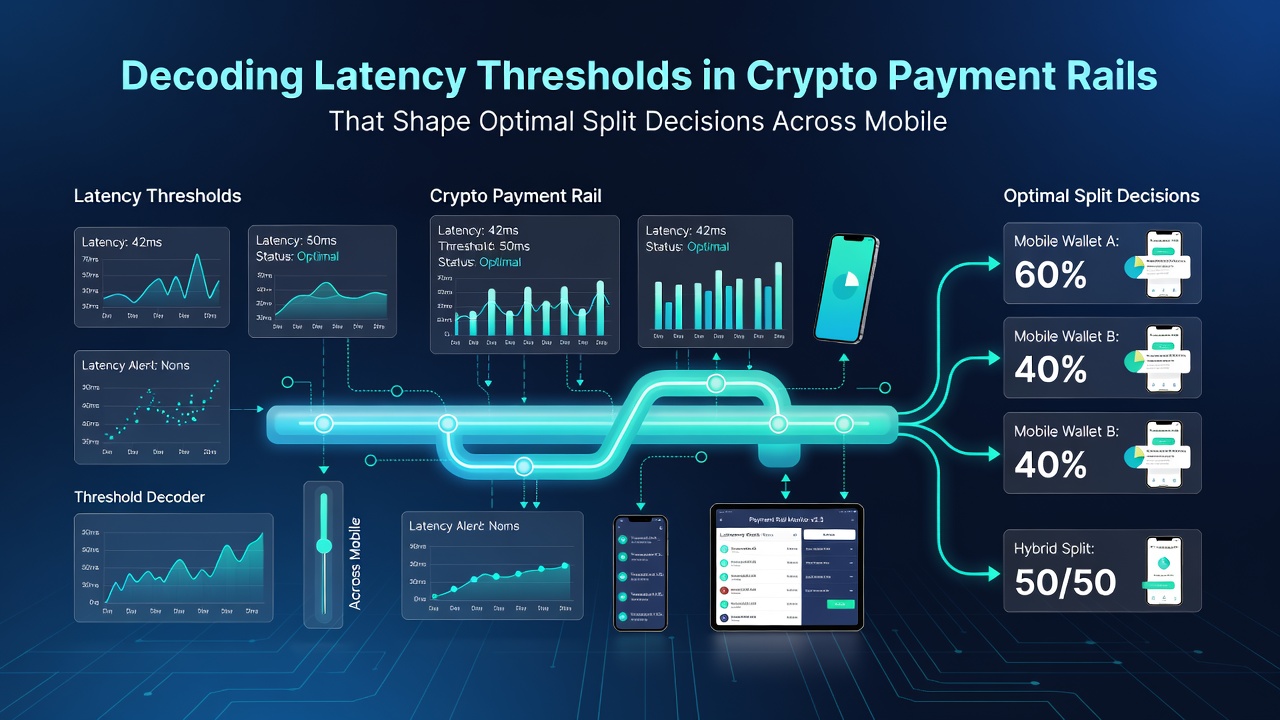
Regional Infrastructure and Regulatory Influences
Geographic differences in network infrastructure produce distinct latency profiles that affect mobile blackjack ecosystems, and statistics published by the Australian Gambling Research Centre document average mobile-to-exchange latencies 35 percent lower than those recorded in certain North American corridors during the same testing period. European operators have adopted hybrid rails that combine on-chain settlement with off-chain netting to compress effective confirmation windows, an approach tracked in reports issued by the European Gaming and Betting Association. These adaptations allow split decisions to proceed with reduced exposure to base-layer variability while still satisfying distributed-ledger audit requirements.
Regulatory frameworks in multiple jurisdictions now include provisions that tie permitted game speeds to demonstrated payment finality metrics, and compliance documentation from Canadian provincial authorities specifies maximum allowable decision latencies for licensed mobile offerings. Operators must therefore calibrate both game logic and wallet integrations against these external benchmarks, creating an additional layer of optimization that directly references the same latency thresholds observed in player behavior studies.
Practical Implementation Across Device Ecosystems
Device-level factors such as operating system version, background application load, and signal strength further modulate the experienced latency between wallet and game server, and controlled tests performed by academic researchers at the University of Nevada, Reno, quantified an additional 300-millisecond variance attributable to these variables alone. Developers have begun embedding real-time latency probes that surface rail performance indicators within the game interface, allowing players to select network preferences before entering high-frequency decision sequences. Such tooling reduces the incidence of split attempts that exceed the critical 1.8-second window identified in earlier session analyses.
Wallet providers have introduced tiered confirmation modes that trade settlement certainty for speed, and data from August 2026 shows increasing adoption of these modes among users of mobile blackjack applications. The choice between modes effectively becomes part of the split decision itself because selecting a faster but less final rail can determine whether the second hand receives its required cards within the enforced time limit.
Conclusion
Latency thresholds in crypto payment rails establish quantifiable boundaries that determine whether split decisions in mobile blackjack variants reach completion, and ongoing measurements through August 2026 continue to refine the specific millisecond values that separate reliable performance from degraded outcomes. Infrastructure choices, regulatory standards, and device conditions all intersect at these thresholds, shaping the practical strategies available to participants across different platform ecosystems. Continued mapping of these interactions supplies operators and network designers with the parameters needed to align payment finality with game timing requirements.