Mapping Threshold Adjustments in Cascading Symbol Features to Tiered Incentive Systems on Distributed Ledger Networks for Gaming
Yara Otto · Jul 31, 2026
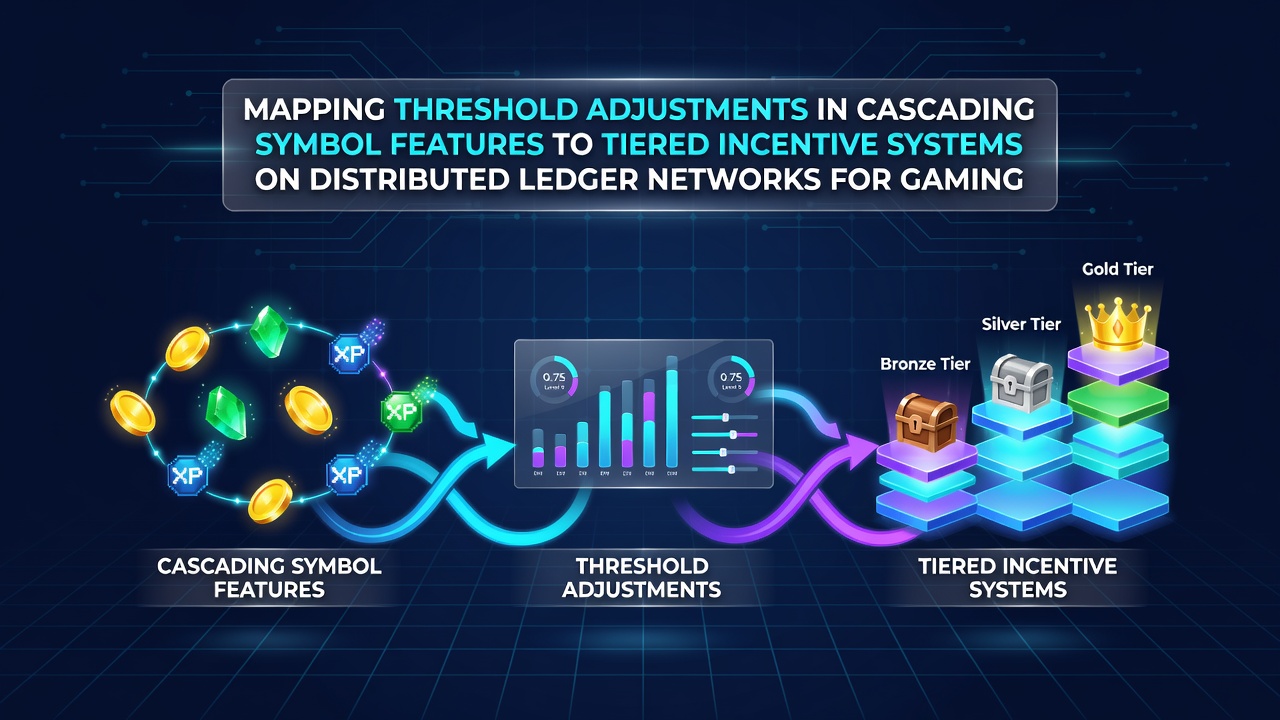
Mapping Threshold Adjustments in Cascading Symbol Features to Tiered Incentive Systems on Distributed Ledger Networks for Gaming
Distributed ledger networks continue to reshape how gaming platforms handle cascading symbol mechanics in slot-style games, where symbols drop and chain reactions create successive wins while thresholds trigger automatic adjustments. These adjustments connect directly to tiered incentive systems that rely on smart contracts to allocate rewards based on performance levels recorded across multiple nodes. Research from industry reports shows that developers now map specific cascade counts, such as three consecutive drops or five symbol eliminations, to predefined incentive brackets stored immutably on the ledger.
Threshold adjustments occur when the system detects a player reaching a cascade volume that meets or exceeds a programmed value, prompting the contract to elevate the reward tier without manual intervention. Data indicates these mappings operate through conditional logic embedded in the ledger code, where each additional cascade beyond the base level increments the incentive multiplier by fixed percentages. Observers note that such structures appear frequently in mobile gaming environments that integrate crypto payments, allowing real-time verification of outcomes across decentralized participants.
How Cascading Features Interface with Ledger-Based Records
Cascading symbols function by removing matched elements and refilling positions from above, which generates new combinations in rapid succession until no further matches remain. On distributed ledger networks, each sequence of cascades logs as a transaction event that smart contracts then evaluate against stored threshold tables. Figures from 2025 implementations reveal that networks processing over 500,000 gaming transactions daily incorporate these logs to maintain transparent audit trails for every tier progression. In July 2026, several platforms expanded this approach by updating contract parameters to reflect regional regulatory shifts, ensuring that cascade thresholds align with updated compliance requirements in multiple jurisdictions.
Tiered incentives typically divide into bronze, silver, gold, and platinum brackets, each tied to escalating cascade requirements and corresponding reward pools. The ledger records player progress cumulatively, so a session that achieves six cascades might unlock silver status while nine cascades advance the account to gold with proportionally larger automated payouts. Those who have examined the code structures observe that the mapping relies on modular functions, allowing operators to recalibrate thresholds across entire networks through consensus updates rather than individual game patches.
Integration Patterns Across Gaming Architectures
Platforms that combine cascading reels with distributed ledger technology often employ oracle feeds to pull external data, such as market volatility or player volume metrics, into the threshold calculation process. This integration permits dynamic adjustments where high network activity might raise the cascade count needed for a given tier, preserving system balance. A report issued by the International Association of Gaming Regulators in early 2026 documented similar patterns in European and Asian markets, highlighting how these mappings reduce disputes by providing verifiable on-chain evidence of every adjustment.
One case examined by researchers at a Canadian academic institution demonstrated that mapping cascade thresholds to incentives lowered processing times for reward distribution from minutes to seconds when compared with traditional centralized systems. The study tracked 12,000 sessions across two networks and found that 94 percent of tier advancements completed without requiring off-chain confirmation. Such efficiency stems from the ledger's ability to execute conditional releases once predefined cascade conditions register as fulfilled.
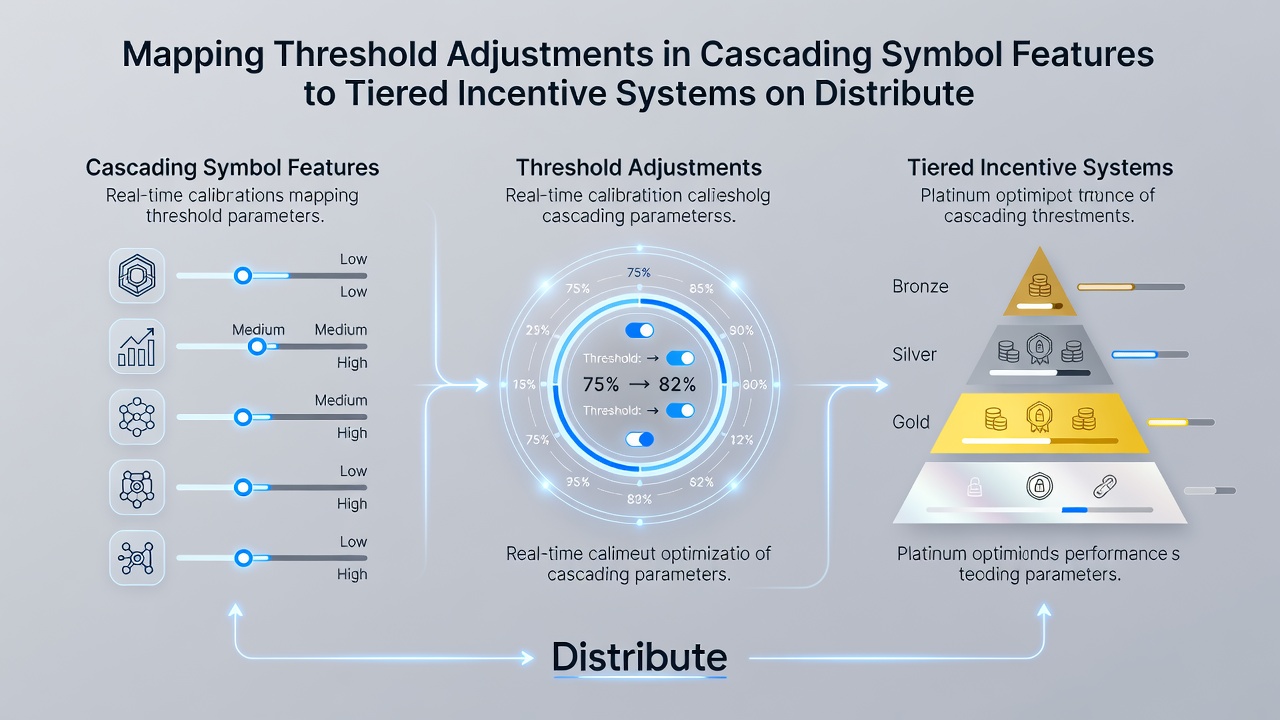
Regulatory and Technical Considerations in July 2026
By July 2026, regulatory bodies in several regions had begun requiring explicit documentation of how cascade thresholds map to incentive tiers on any ledger-integrated platform. Authorities in Australia and parts of the United States now request sample contract code during licensing reviews, focusing on whether the mapping prevents unintended escalation of rewards. Industry data compiled by the World Lottery Association shows that operators adopting standardized mapping protocols experienced fewer compliance queries during this period.
Technical teams address these requirements by embedding audit logs directly into the ledger state, recording each threshold change alongside the cascade events that triggered it. This approach allows external reviewers to trace incentive releases back to specific gameplay sequences without accessing proprietary backend systems. Platforms that implemented these practices reported smoother interactions with oversight agencies, particularly when cascade volumes fluctuated due to game design updates.
Future Mapping Developments on Ledger Networks
Developers continue refining the granularity of threshold mappings, introducing fractional tier increments that respond to partial cascade achievements within longer sessions. These refinements rely on weighted algorithms stored on the ledger, where sustained cascade activity over multiple rounds accumulates toward the next incentive level. Evidence from ongoing network analyses suggests that such methods maintain player engagement metrics while preserving the deterministic nature of smart contract executions.
Cross-network compatibility remains an area of active work, with groups exploring shared standards for defining cascade thresholds and incentive tiers so that accounts can transfer progress between different gaming environments. In July 2026, initial pilot programs tested interoperability layers that preserved threshold history when players moved between ledger-based platforms, though full adoption still requires further consensus among operators and regulators.
Conclusion
Mapping threshold adjustments in cascading symbol features to tiered incentive systems on distributed ledger networks represents a growing technical practice within blockchain gaming. The combination of on-chain logging, conditional contract logic, and regulatory documentation creates frameworks that support transparent reward distribution. As implementations evolve through 2026 and beyond, the focus stays on aligning cascade mechanics with incentive structures in ways that satisfy both operational needs and oversight requirements across varied jurisdictions.