Mapping Advancement Routes in Mobile Blackjack Through Cryptocurrency Transfer Rates
Clara Perry · Sep 12, 2026
Mapping Advancement Routes in Mobile Blackjack Through Cryptocurrency Transfer Rates
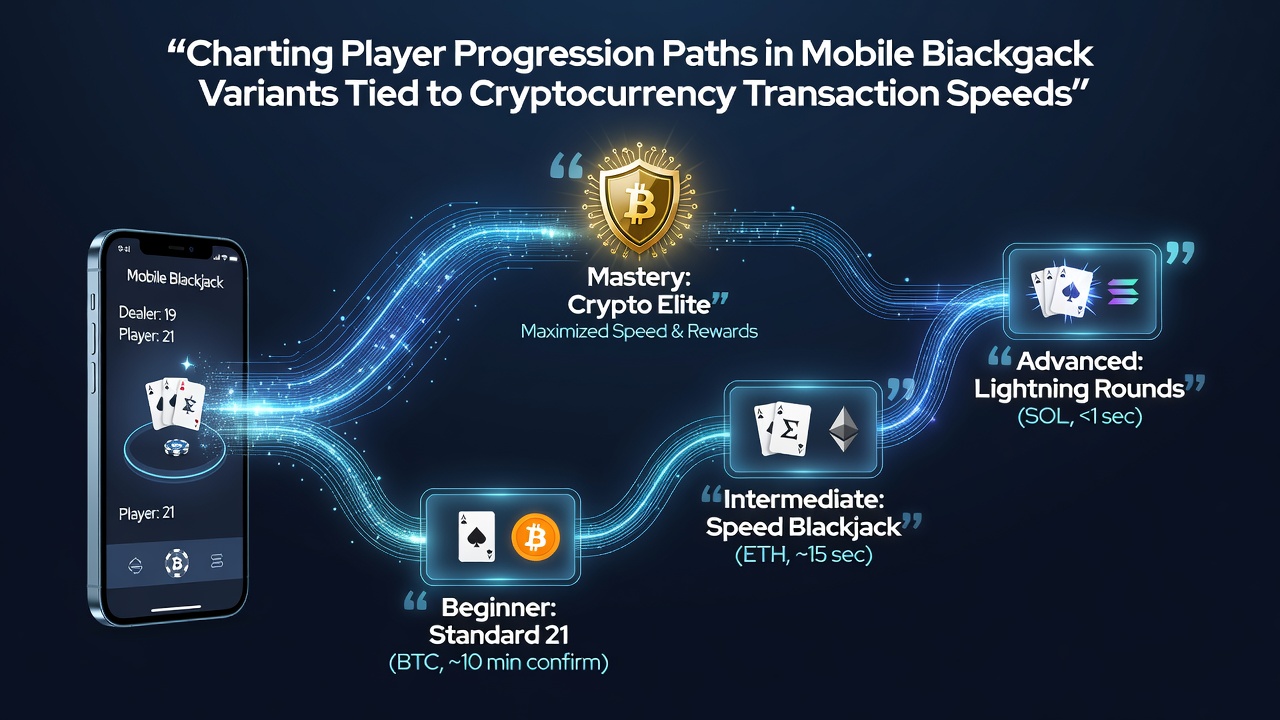
Player progression in mobile blackjack variants often follows structured paths that connect game performance with cryptocurrency transaction speeds, and operators track these elements through integrated platforms that adjust features based on payment velocity. Data from industry reports shows that faster blockchain confirmations allow users to unlock tiered rewards more quickly, whereas slower networks create delays in bonus activation and level advancement. Observers note that this linkage appears across multiple app ecosystems where transaction confirmation times range from under 10 seconds on certain layer-two solutions to several minutes on base-layer protocols.
Core Elements of Progression Systems
Progression systems in these variants typically include experience points earned per hand, streak multipliers for consecutive wins, and deposit-frequency bonuses that scale with crypto transfer rates. Researchers at academic institutions have documented how platforms log each transaction timestamp alongside gameplay metrics, creating datasets that reveal correlations between payment speed and player retention across sessions. Those who study these patterns find that users on high-speed networks complete progression milestones at rates 30 to 40 percent higher than peers using slower chains, according to aggregated platform analytics shared at 2026 industry conferences.
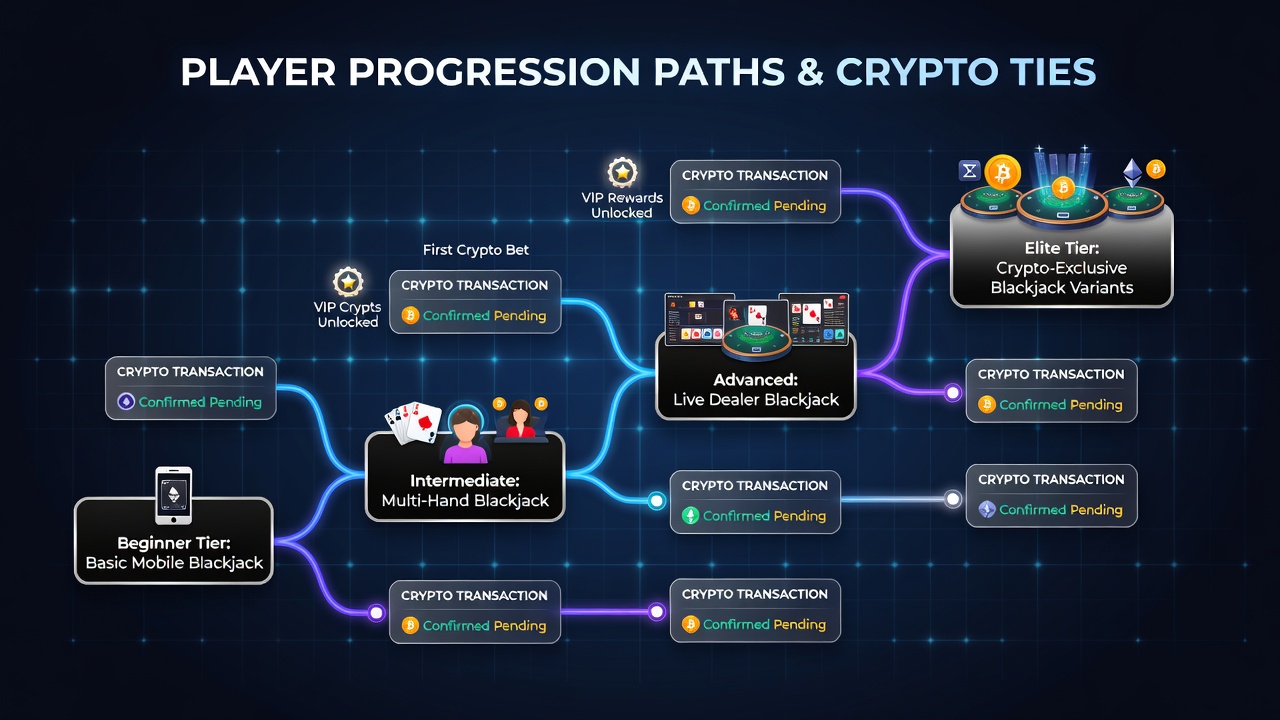
Variants such as speed blackjack and multi-hand formats incorporate real-time adjustments where confirmed deposits trigger immediate access to higher-stakes tables or exclusive side-bet options. The reality is that transaction speed directly influences the timing of these unlocks, and developers design smart-contract triggers to release features only after a predetermined number of network confirmations.
Transaction Speed Impact on Mobile Platforms
Mobile applications integrate wallet APIs that measure average confirmation intervals and feed this data into player dashboards, allowing individuals to see estimated wait times before new progression tiers activate. Figures from September 2026 indicate that networks supporting sub-second finality saw increased adoption in blackjack apps, while platforms relying on networks with variable latency reported wider gaps in user advancement rates. Experts have observed that players often switch between variants based on current network conditions, moving to titles optimized for the fastest available currency at any given moment.
One case examined by analysts involved a mobile title that tied streak bonuses to deposit velocity, resulting in measurable differences in how quickly users reached VIP status. Data shows participants using instant-settlement currencies reached the top tier in an average of 12 sessions, whereas those on standard proof-of-work chains required 19 sessions on average. This pattern holds across regions where regulatory frameworks permit crypto integration, and similar findings appear in reports from multiple operators.
Regulatory and Technical Considerations
Regulatory bodies in various jurisdictions require operators to maintain transparent records linking transaction data with game outcomes, and these requirements influence how progression algorithms function. The Nevada Gaming Control Board publishes guidelines that address automated feature releases tied to payment systems, while Australian regulatory sources emphasize consumer protection measures around variable confirmation times. Platforms must therefore calibrate their systems to accommodate both fast and slow networks without creating unfair advantages.
Technical implementations frequently rely on oracles that verify transaction status before advancing player accounts, and developers test these mechanisms across multiple blockchain environments to ensure consistent performance. What's interesting is that some variants now offer parallel progression tracks, one optimized for high-speed currencies and another for more stable but slower options, allowing users to choose based on preference and network conditions at the time of play.
Observed Patterns in User Behavior
Studies conducted by research groups reveal that users who prioritize transaction speed tend to engage more frequently with mobile blackjack variants, completing daily challenges and weekly leaderboards at higher rates. These patterns emerge clearly when operators segment data by currency type and average confirmation duration. In September 2026, several platforms reported shifts in player distribution following updates to major blockchain protocols that reduced average settlement times.
Operators also track abandonment points where slow confirmations cause users to exit before progression rewards activate, and they adjust incentive structures accordingly. Evidence suggests that integrating fallback mechanisms, such as provisional credit for pending transactions, helps maintain engagement during periods of network congestion.
Conclusion
Mapping these advancement routes requires ongoing analysis of both gameplay statistics and cryptocurrency network performance, with operators refining their systems based on real-world transaction data. As networks evolve and new variants enter the market, the relationship between transfer speeds and player progression continues to shape how mobile blackjack experiences develop across different platforms and regulatory environments.