Exploring Tokenized Payout Thresholds in Networked Slot Systems with Multi-Layer Deposit Incentives
Carlo Brooks · Aug 5, 2026
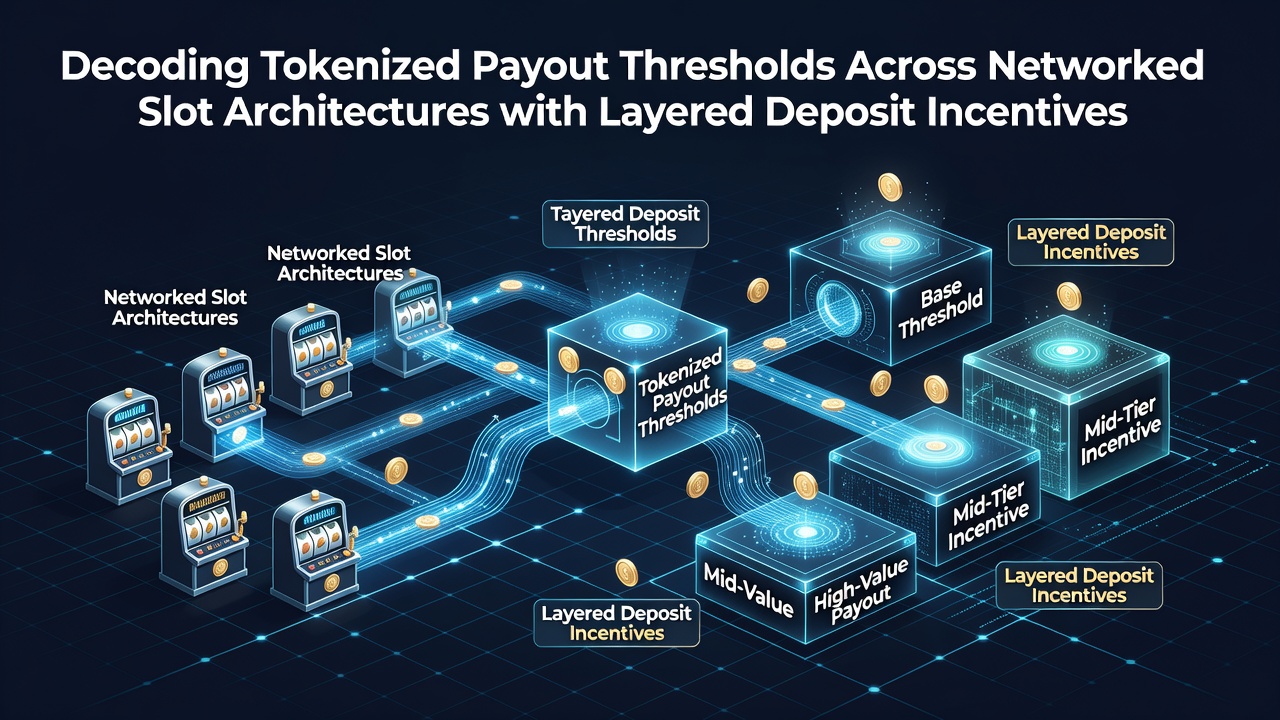
Exploring Tokenized Payout Thresholds in Networked Slot Systems with Multi-Layer Deposit Incentives
Networked slot architectures connect multiple gaming platforms across different operators, and tokenized payout thresholds determine when players receive digital asset distributions based on accumulated play data. These systems use blockchain ledgers to record wagers, wins, and deposit activities in real time, which allows automated calculations that adjust thresholds according to player tiers. Data from industry reports indicates that operators began integrating these mechanisms more widely after 2024, with expansion continuing through August 2026 in markets where crypto regulations permit such features.
Core Components of Tokenized Payout Systems
Tokenized payouts convert slot winnings or bonus amounts into digital tokens that sit on distributed networks, and thresholds act as minimum accumulation points before release occurs. Researchers have observed that these thresholds often scale with deposit volume, so higher layered incentives unlock lower release points for frequent depositors. Networked architectures share this data across nodes, which reduces latency in verification while maintaining consistency across jurisdictions.
Layered deposit incentives typically structure rewards in progressive bands, where the first deposit might trigger base token credits and subsequent deposits within a period add multipliers or reduced thresholds. According to figures from the Nevada Gaming Control Board, similar incentive models in traditional systems showed deposit frequency increases of 18 percent during tested periods, and blockchain versions extend this through smart contract enforcement.
Interaction Between Thresholds and Incentives
Thresholds in these architectures respond dynamically to deposit patterns, so a player who completes three layered deposits might see the payout trigger drop from 500 tokens to 300 tokens. Observers note that this linkage encourages sustained engagement because each deposit layer modifies the equation in real time. Studies from the University of Nevada Reno gaming research group have documented how cascading reel slots integrated with these systems produce more frequent threshold crossings when deposit incentives align with volatility settings.
Regulatory Mapping in 2026
As of August 2026, several regions have updated compliance frameworks to address automated token releases in networked environments. The Australian Communications and Media Authority released guidelines requiring clear disclosure of threshold formulas, while Canadian provincial regulators in Ontario require third-party audits of smart contract code before deployment. These rules ensure that layered incentives do not create unfair advantage calculations across player segments.
Operators must map each incentive layer to specific regulatory categories, which prevents automated releases from bypassing anti-money laundering checks. Evidence suggests that jurisdictions adopting distributed ledger oversight report fewer disputes over payout timing compared with earlier non-tokenized models.
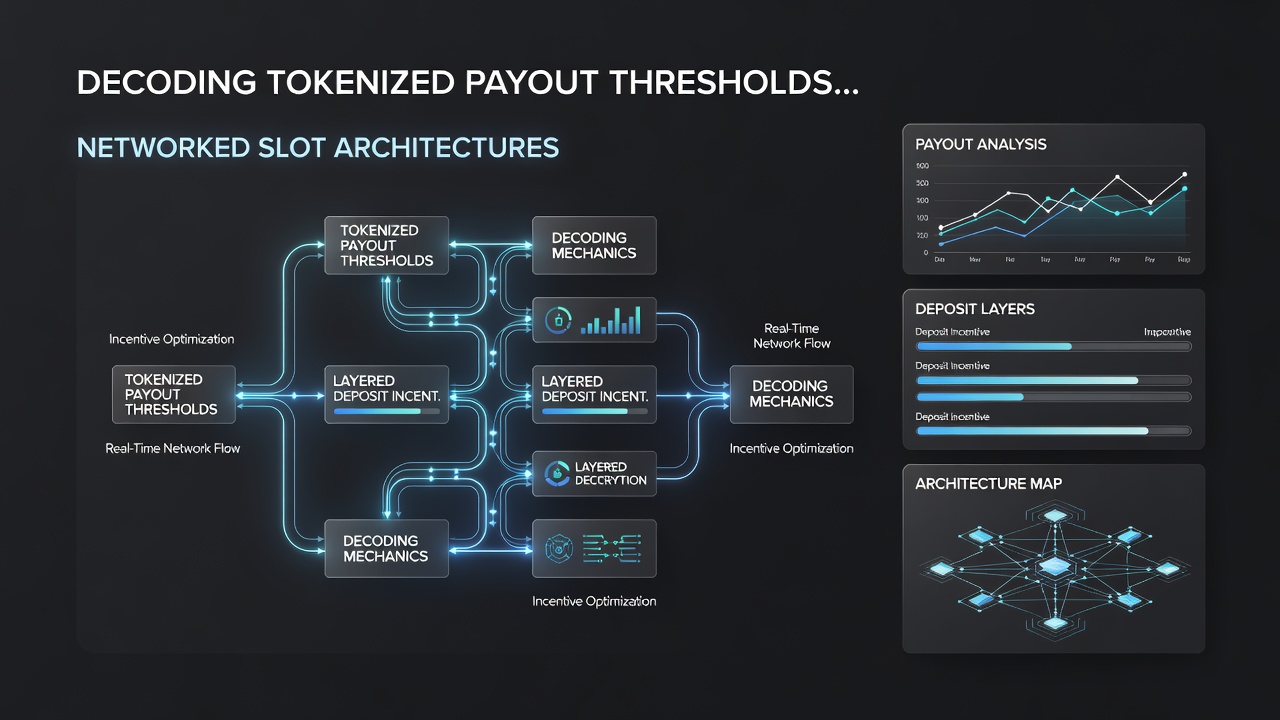
Technical Implementation Across Networks
Smart contracts execute the threshold logic by checking deposit history against predefined rules, then releasing tokens once conditions meet. Networked slot architectures distribute these contracts across multiple validators, which improves fault tolerance when one node experiences delays. Those who have examined production deployments report that gas fee optimization remains a key factor, since high transaction costs can offset incentive benefits for smaller payouts.
Examples from European operators show that combining cascading reel mechanics with tokenized thresholds produces measurable changes in session length, particularly when deposit layers reset weekly. The European Gaming and Betting Association has compiled data showing average session extensions of 12 minutes in systems using these combined features.
Future Developments and Compliance
Continued refinement of threshold algorithms focuses on balancing player retention with responsible gaming limits, and regulators continue to require transparent reporting of how each deposit layer affects release conditions. Industry associations across Asia-Pacific markets have begun pilot programs that test cross-border token transfers under unified compliance standards.
Conclusion
Tokenized payout thresholds integrated with networked slot architectures and layered deposit incentives create interconnected systems that adjust release conditions based on player behavior and regulatory requirements. Data indicates steady adoption through 2026, supported by audits and technical standards that maintain consistency across platforms. These structures continue to evolve as operators refine smart contract parameters and jurisdictions finalize oversight protocols.