Emerging Technical Standards for Asset Integration and Dynamic Scaling in Distributed Simulation Networks
Carlo Brooks · Aug 7, 2026
Emerging Technical Standards for Asset Integration and Dynamic Scaling in Distributed Simulation Networks
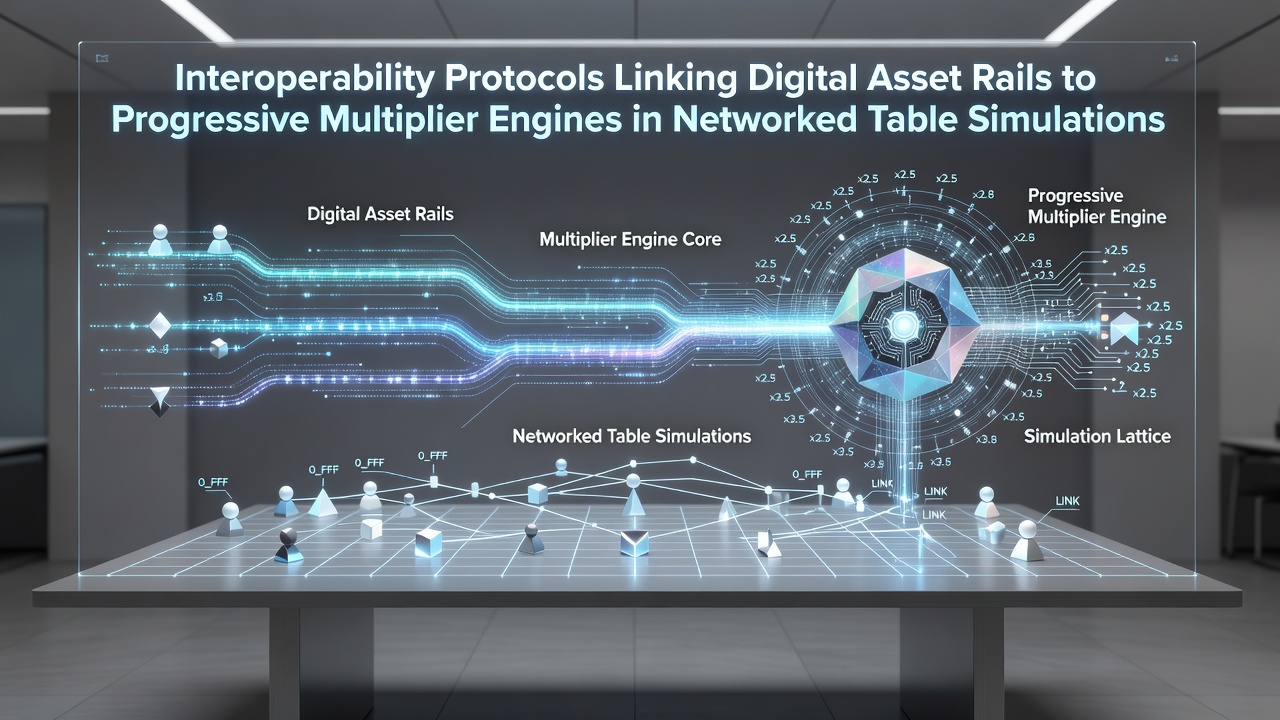
Technical frameworks that enable seamless data exchange between digital asset systems and scaling mechanisms continue to develop within networked simulation environments, with implementations appearing across multiple jurisdictions as of August 2026. These frameworks rely on standardized communication methods that allow asset transfers to trigger or adjust multiplier calculations in real time, and researchers at institutions such as the University of Melbourne have documented several protocol layers that support such interactions.
Core Components of Integration Protocols
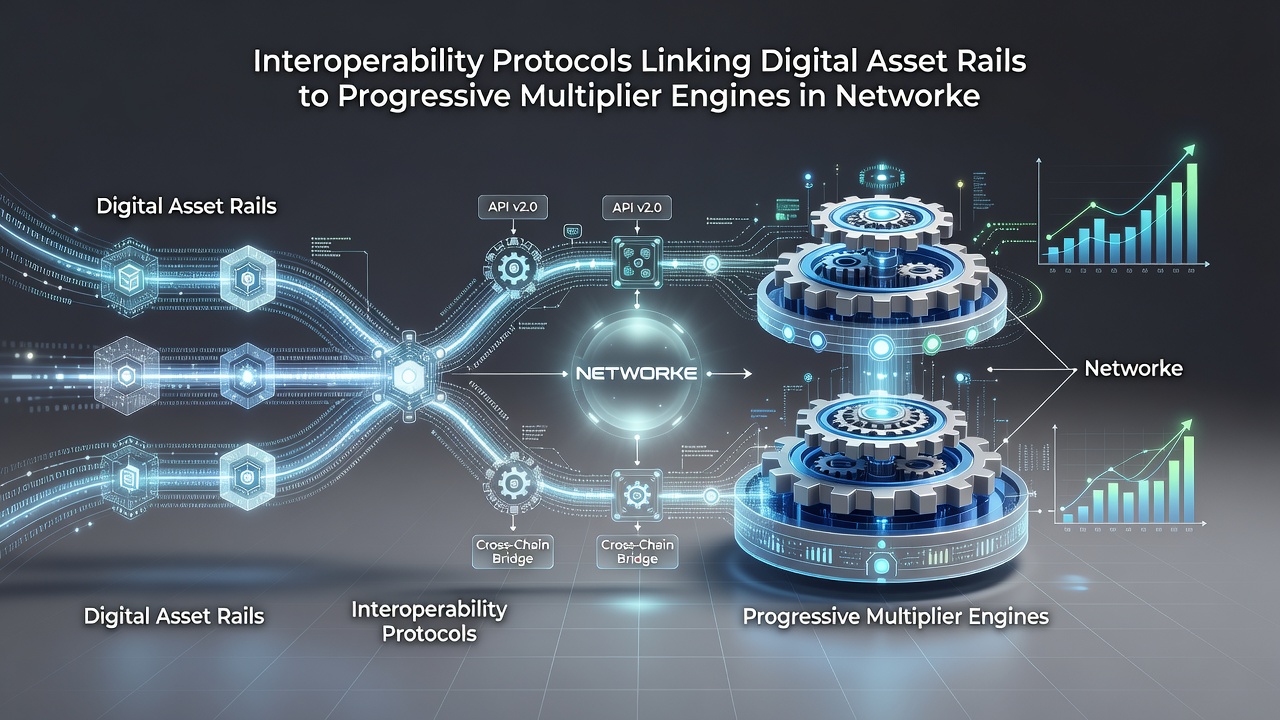
Interoperability standards typically combine elements from distributed ledger technologies with application programming interfaces that connect asset rails directly to multiplier engines, and data from industry reports indicate that these connections reduce latency in transaction processing while maintaining consistency across separate network nodes. Observers note that protocols often incorporate verification steps where asset movements are confirmed before multiplier values update, which helps prevent desynchronization in large-scale table simulations.
Engine architectures process incoming asset data through rule-based scripts that calculate progressive increases based on predefined parameters, and studies from the Canadian Institute for Gaming Research show that such engines can handle variable input volumes without requiring manual intervention when proper interoperability layers are in place. Those who have examined production deployments report that successful systems maintain separate audit trails for asset movements and multiplier adjustments, allowing regulators to review each component independently.
Implementation Patterns Across Regions
European operators have adopted certain protocol suites that align with existing payment service directives, whereas North American platforms often integrate similar standards through private consortia that emphasize security certifications. According to figures released by the Australian Communications and Media Authority, transaction volumes involving these integrated systems rose notably during the first half of 2026, reflecting broader adoption of automated scaling features in simulation environments.
Network architects frequently employ message queuing systems that buffer asset confirmations before they reach multiplier engines, and this approach allows table simulations to continue operating even during brief connectivity interruptions. One documented case involved a distributed platform that used cross-chain messaging standards to link asset rails across two separate ledgers, resulting in uninterrupted multiplier progression for participants.
Security and Verification Measures
Security protocols within these frameworks include cryptographic signing of asset transfer requests and independent validation of multiplier outputs, and organizations such as the European Gaming Association have published guidelines that recommend multi-signature requirements for high-value adjustments. Data indicates that platforms implementing these measures experience fewer discrepancies in reported simulation outcomes, particularly when networks span multiple geographic regions.
Testing procedures often involve simulated load scenarios where asset inflows are increased rapidly to observe multiplier engine responses, and results from academic papers published in 2025 confirm that properly configured interoperability layers maintain accuracy under stress conditions that exceed typical operational volumes. Those who manage these systems emphasize the importance of regular protocol updates to address newly identified edge cases in asset routing.
Regulatory Alignment Considerations
Compliance frameworks in various jurisdictions now reference specific interoperability requirements when evaluating networked simulation products, and licensing bodies in several Asian markets have begun requesting documentation that demonstrates clear separation between asset handling and multiplier logic. Research indicates that operators who map their protocol implementations to these expectations encounter smoother approval processes for new deployments.
Standards organizations continue to refine specifications that address data format consistency and error handling across different ledger types, and participation from both technology providers and simulation operators has accelerated the development of common reference implementations. Reports from trade groups highlight that these collaborative efforts reduce duplication of verification work across projects.
Conclusion
Integration of digital asset rails with progressive multiplier engines through dedicated interoperability protocols represents an area of ongoing technical refinement in networked table simulation environments, with measurable activity documented through regulatory filings and academic reviews as of August 2026. Continued development of these standards depends on coordinated input from technology vendors, research institutions, and oversight agencies across different regions.