Distributed Ledger Applications for Dynamic Reel Features in Cross-Border Mobile Gaming Environments
Iris Albrecht · Sep 26, 2026
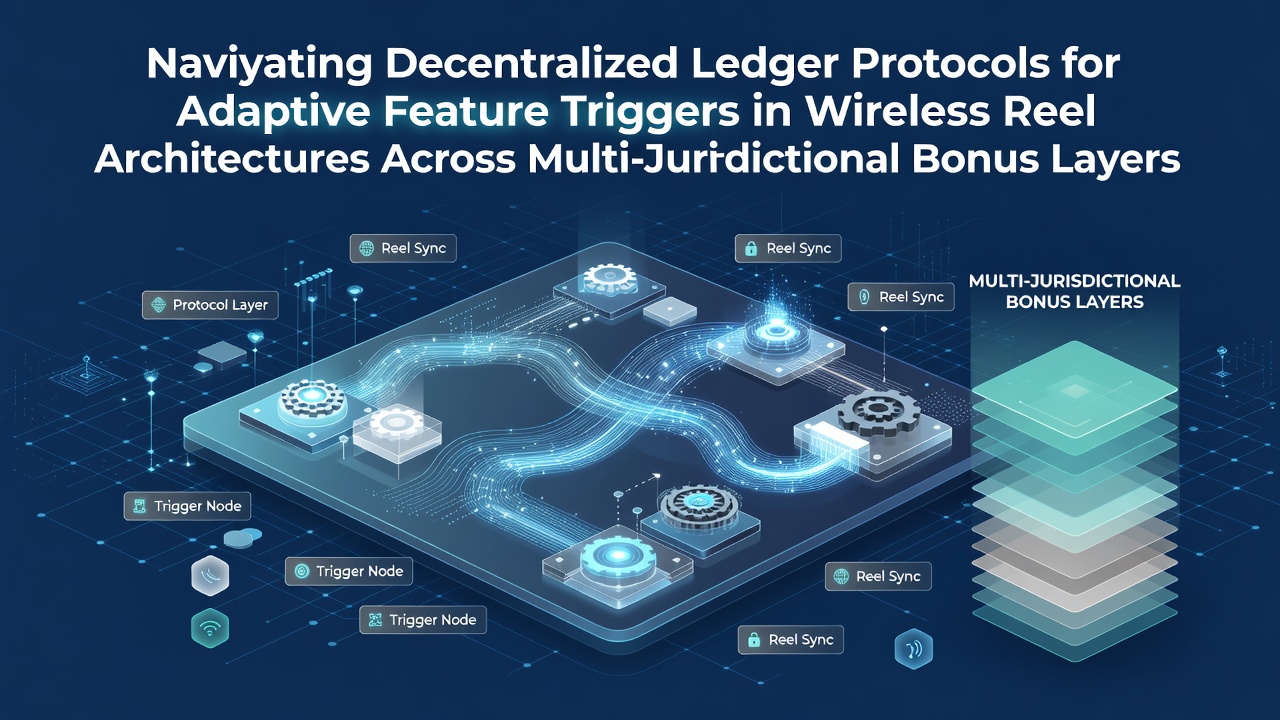
Distributed Ledger Applications for Dynamic Reel Features in Cross-Border Mobile Gaming Environments
Distributed ledger protocols have begun reshaping how adaptive feature triggers operate within wireless reel architectures, particularly when bonus layers span multiple jurisdictions and their distinct regulatory requirements. Research from industry monitoring groups shows that these systems rely on smart contract logic to adjust reel behaviors in real time, while data from September 2026 reveals increased adoption rates among mobile gaming platforms seeking seamless cross-border functionality. Observers note that the core mechanism involves nodes validating transactions that activate specific reel modifiers, such as symbol substitutions or multiplier applications, without requiring centralized approval at each step.
Wireless reel architectures differ from traditional setups because they transmit game states over mobile networks, which introduces latency considerations that decentralized ledgers address through consensus algorithms optimized for speed. Studies conducted by European technology research centers indicate that protocols like those based on directed acyclic graphs reduce confirmation times to under two seconds in many test environments, allowing feature triggers to respond instantly to player actions across regions. This matters because bonus layers in one jurisdiction might permit certain adaptive elements while another imposes strict limits on automated payouts or reel modifications.
Protocol Mechanics and Feature Activation
Decentralized ledgers function by recording each adaptive trigger as an immutable entry, which participating nodes verify before the wireless reel system executes the change. Those who've examined these setups find that the ledger stores parameters for features like cascading symbols or expanding wilds, then releases them only when predefined conditions, including jurisdictional compliance checks, are met. Data shows that integration often occurs through application programming interfaces that connect the mobile client directly to the ledger network, bypassing traditional servers in some configurations.
Multi-jurisdictional bonus layers add complexity because each region maintains separate rules for what constitutes an allowable trigger. For instance, certain North American frameworks require explicit player confirmation before automated features activate, whereas frameworks in parts of Asia permit fully autonomous adjustments once the initial game session begins. According to reports issued by the Nevada Gaming Control Board, platforms using distributed ledgers must embed jurisdiction-specific flags within each smart contract to prevent unauthorized activations when users cross virtual borders during play.
Regulatory Mapping Across Regions
Mapping these requirements onto ledger protocols demands careful structuring of contract conditions so that bonus releases align with local statutes. Researchers at Australian academic institutions have documented cases where ledger-based systems automatically pause feature triggers when a player's location data indicates entry into a restricted zone, then resume operations under the new jurisdiction's parameters. This approach reduces manual oversight while maintaining records that regulators can audit through public or permissioned ledger views.
What's significant is how wireless architectures leverage these ledgers to handle variable bonus structures without rebuilding the entire game engine for each market. Figures from Canadian provincial gaming authorities highlight that platforms employing such methods reported fewer compliance incidents in 2026 compared to those relying on centralized databases, largely because the distributed nature creates redundant verification points. Yet the ball remains in the developers' court to ensure that every adaptive trigger includes fallback logic for network outages or consensus delays.

Implementation Challenges and Technical Considerations
Implementation often encounters hurdles related to scalability, since high-volume mobile sessions can strain ledger throughput if not properly partitioned. Industry analyses from the European Gaming and Betting Association point out that sharding techniques, which divide the ledger into parallel segments, have proven effective in maintaining performance when adaptive features trigger simultaneously across thousands of users. Those monitoring the space observe that encryption standards must also accommodate varying data retention rules, with some jurisdictions mandating shorter storage periods for player activity logs than others.
Case examples include platforms that integrated zero-knowledge proofs into their ledger protocols, allowing verification of compliance without exposing underlying player data. This method satisfies privacy regulations in multiple regions simultaneously and supports the rapid execution of reel modifications. Evidence suggests that such proofs add minimal overhead to wireless transmissions when optimized for mobile hardware constraints.
Future Developments in Ledger Integration
Continued evolution points toward greater use of oracles that feed real-time regulatory updates into the smart contracts governing feature triggers. Observers note that these oracles pull from official government feeds, enabling automatic adjustments when bonus layer rules change in a given jurisdiction. Data indicates that testing phases completed by September 2026 demonstrated successful updates across five separate regulatory environments within a single gaming session.
Security remains paramount because any compromise in the ledger could affect reel integrity across all connected mobile devices. Research from university-led projects in Asia has explored hybrid models combining permissioned ledgers with public verification layers to balance transparency and control. These models allow operators to restrict who can propose changes to trigger parameters while still providing audit trails for authorities.
Conclusion
Distributed ledger protocols continue to provide structured pathways for managing adaptive feature triggers in wireless reel architectures that operate across multi-jurisdictional bonus layers. The combination of immutable records, automated compliance checks, and mobile-optimized consensus supports consistent performance despite differing regional requirements. As adoption expands, the focus stays on refining these systems to handle increasing volumes and regulatory shifts without disrupting the underlying reel mechanics or player experience.